Stress · anxiety · sleep
The mood cost is smaller than the attention cost. It is still real.
The same review found a weaker but consistent link with mental health (r = −.21). Stress and anxiety led. Depression, loneliness and sleep followed. Self-esteem and body image did not.[Source]
r = −.34
Stress
The strongest mental-health association in the review. A feed that never resolves is a poor place to put a nervous system that needs an ending.
r = −.33
Anxiety
Nearly as strong. Cue-driven checking, FOMO, and a mind that has practiced rapid threat-and-reward scanning all rhyme with anxiety — they are not the same thing.
r = −.23
Depression
A smaller, still significant association. Displacement matters: the feed can crowd out sleep, daylight, movement and actual friends, which are the boring ingredients of mood.
r = −.22
Sleep
“One more clip” is a sleep toxin because there is no episode break. Tired brains then seek easier rewards the next day. The loop writes itself.
r = −.23
Loneliness
A packed feed can still be a social vacuum. Parasocial hits are not a conversation. Several studies in the review track loneliness alongside use.
What did not show up
Body image and self-esteem were not reliably linked with short-form video use in this meta-analysis. That may be because the content is wildly mixed — not only appearance. We do not stretch the data to fit a simpler panic.
A night that never ends
23:12 — you open it to “wind down.” 00:41 — you are still there. The lights, the sound, the unfinished loop all push sleep later. Sleep loss then makes attention and mood worse, which makes the feed more tempting. This is one of the cleaner everyday mechanisms, even before anyone argues about dopamine.
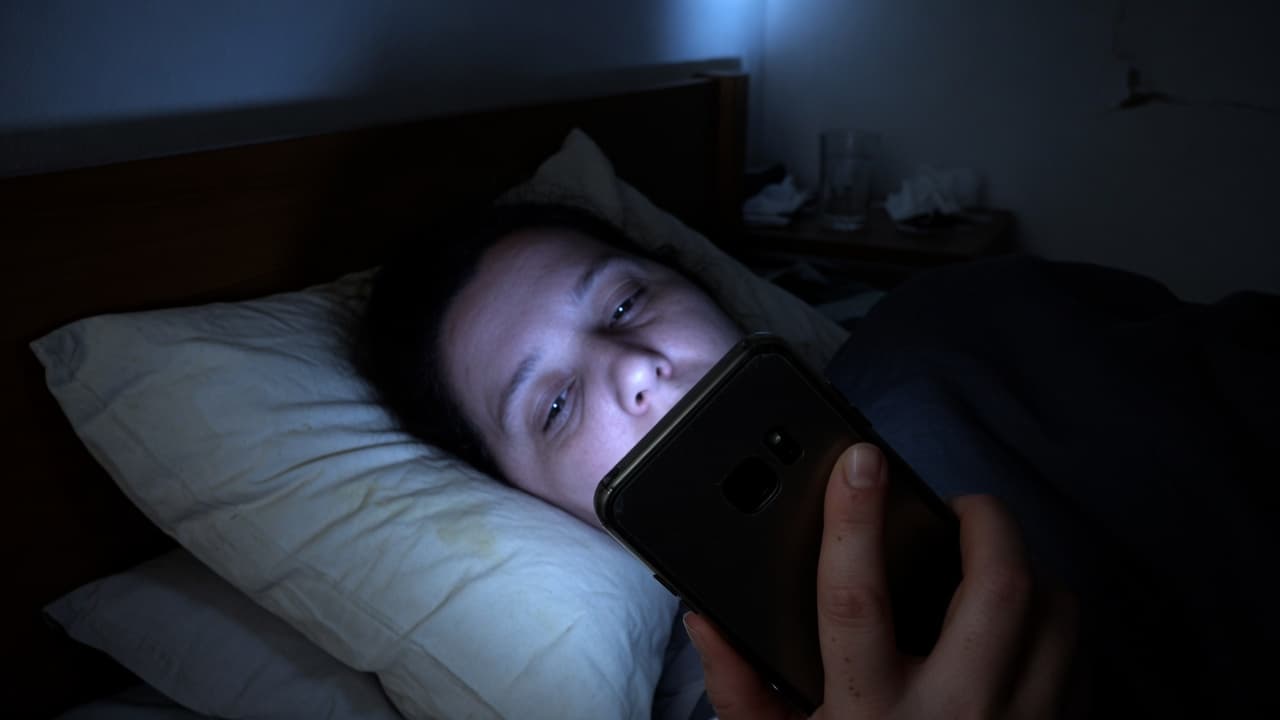
23:12
just one
23:27
one more
23:51
still here
00:18
no ending
00:41
lights still on