Structure beats willpower
Do not try to out-discipline a slot machine.
The feed is good at surviving your best intentions. Change the setup so that opening it takes a decision, and so that your brain has other ways to get a pause, a reward, and a night’s sleep.
01
Add friction
Log out after each use. Move the icon off the home screen. Delete the app on the phone you use in bed; keep it on a desktop if you truly need it. Turn off notifications. Every extra tap is a chance to notice you were about to vanish.
02
Give the night back
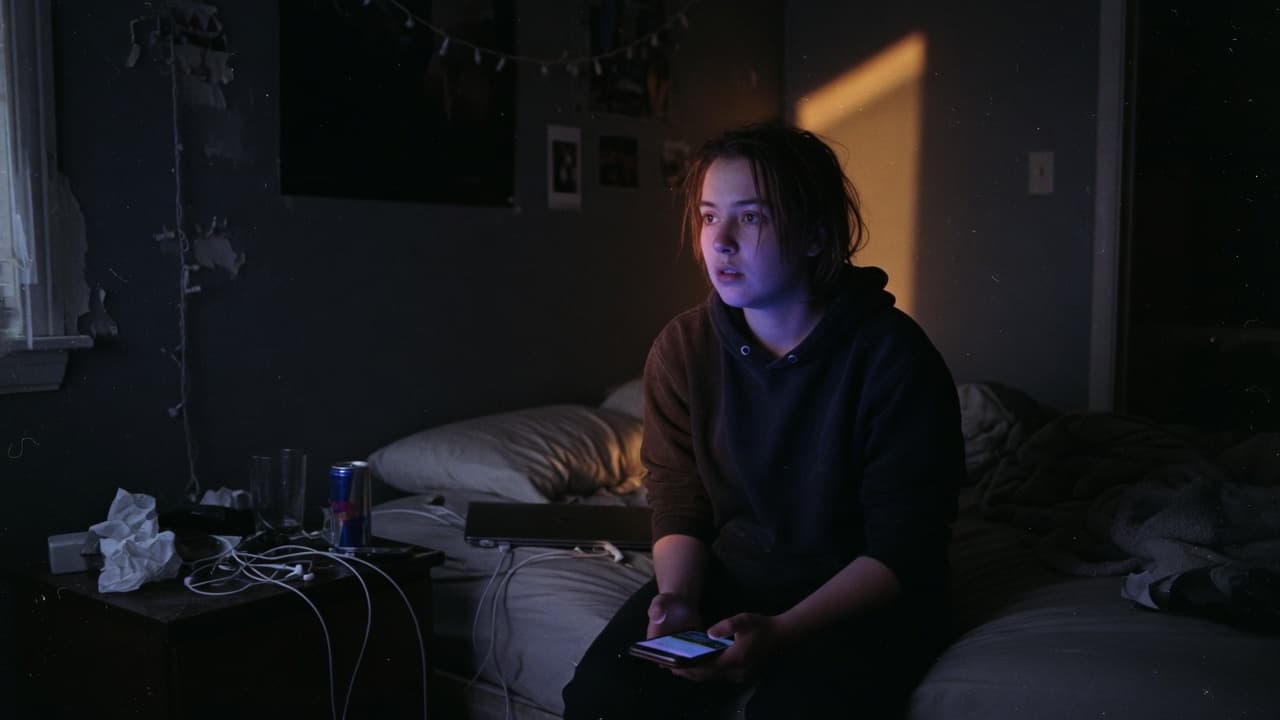
Pick a last-scroll time that is not “when I feel done.” Charge the phone outside the bedroom. The review’s sleep association is not the largest number on the page, but it is one of the most reversible.
03
Replace the itch, don’t just ban it
The thumb is solving something: boredom, awkwardness, a hit of novelty. Put a replacement within reach: a book already open, a podcast queued, a walk, a message to a real person, a kettle. Absence without a substitute is how reinstalls happen.
04
Practice being under-stimulated
Short-form video trains you to treat a quiet moment as a bug. Sit for ten minutes with nothing. It will feel wrong. That feeling is the comparison, not the truth. Attention recovers in boredom more than in another “productivity” app.
05
Use a container, not a streak
If you keep the apps, watch on purpose: a sitting, a time box, then stop. Autoplay off. Full-screen off if that slows you down. A container has walls. A streak of “I’ll be good today” does not.
06
Expect relapse without drama
People quit and return. That is documented in short-video research as intermittent discontinuance. Reinstalling is data, not a verdict. Put the friction back the same day.
What usually fails
- — A vague promise to “use it less.”
- — Shame as a strategy.
- — Replacing TikTok with Reels and calling it recovery.
- — A three-day detox with no plan for day four.
When to get human help
If you cannot keep yourself safe, if mood has collapsed, or if school, work or relationships are breaking, this website is not enough. Talk to a clinician. Short-form video can be part of a larger depression, ADHD or anxiety picture that deserves proper care.